
We're Open
Serving Utica, Rome, Marcy and beyond
We're Open
Serving Utica, Rome, Marcy and beyond

Before & After
Click on a photo to enlarge.
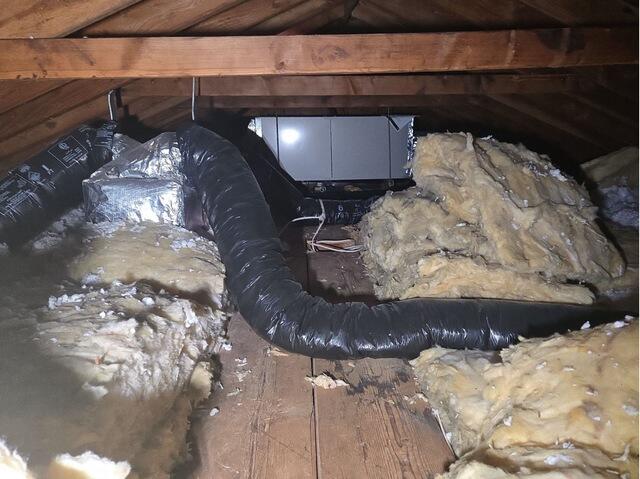
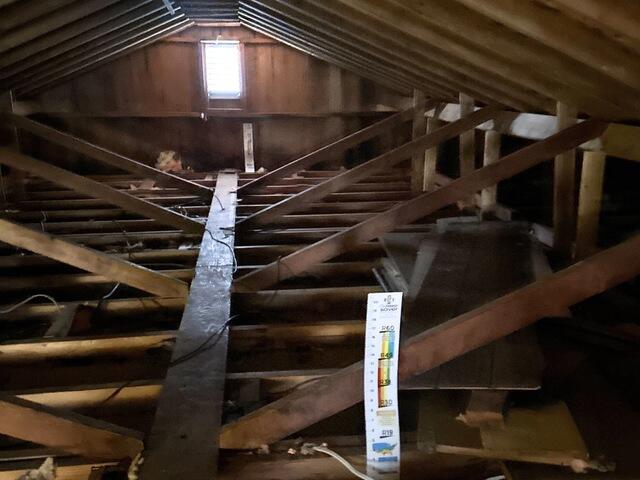
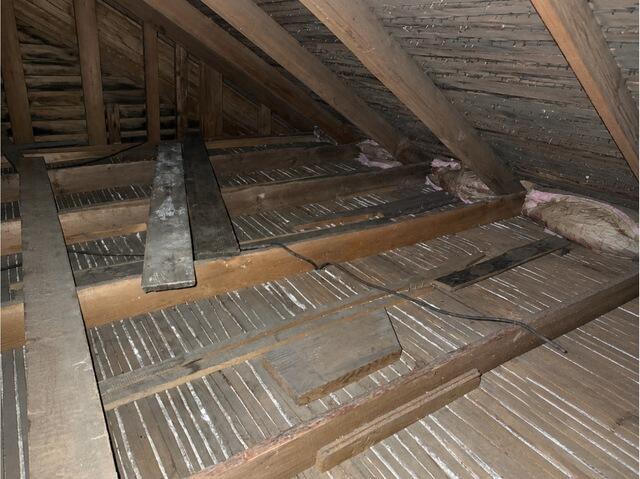
This attic in Whitesboro, NY had significant energy loss due to loose-fill insulation, unsealed gaps around wiring, plumbing, and top plates, as well as air leakage near the chimney and recessed lighting. These issues often lead to drafts, inconsistent temperatures, and higher energy costs, while also increasing the risk of moisture problems and reduced overall efficiency.
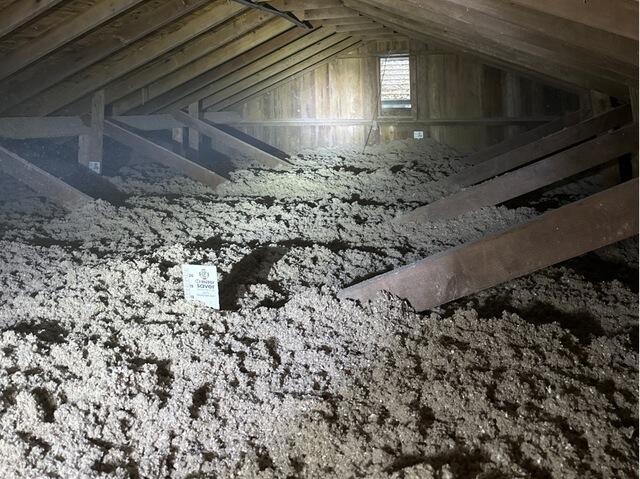
To address this, we began by extracting all existing loose-fill insulation to fully expose the attic floor and identify air leaks. We then performed detailed air sealing, closing gaps around wiring, pipes, and structural openings using professional-grade sealants. The chimney area was properly sealed with fire-resistant rock wool to safely contain airflow, and can light covers were installed to prevent heat loss through recessed fixtures. We also built an insulated catwalk with dams to maintain full insulation depth while allowing safe access to attic components without compromising performance.
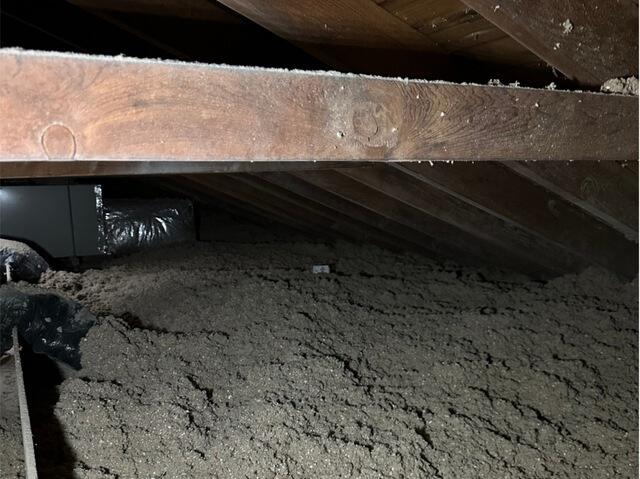
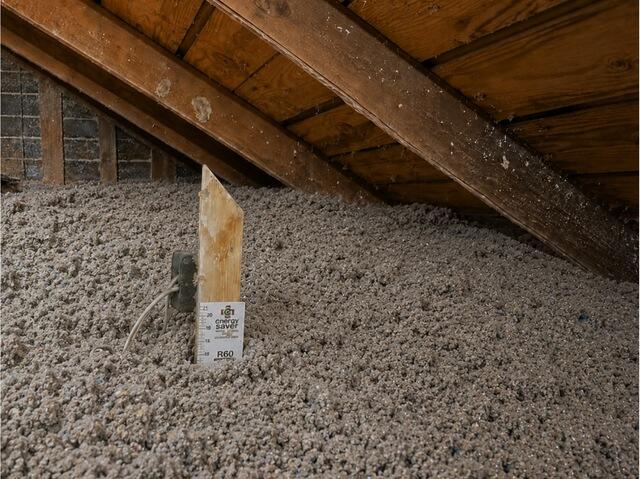
The attic was finished with TruSoft blown-in cellulose insulation installed at a settled depth of 16 inches, achieving an R60 rating for maximum thermal efficiency. Using materials such as cellulose insulation, rock wool, air sealants, can light covers, and catwalk framing components, the result is a tightly sealed, well-insulated attic designed to improve comfort, reduce energy loss, and support long-term home performance.
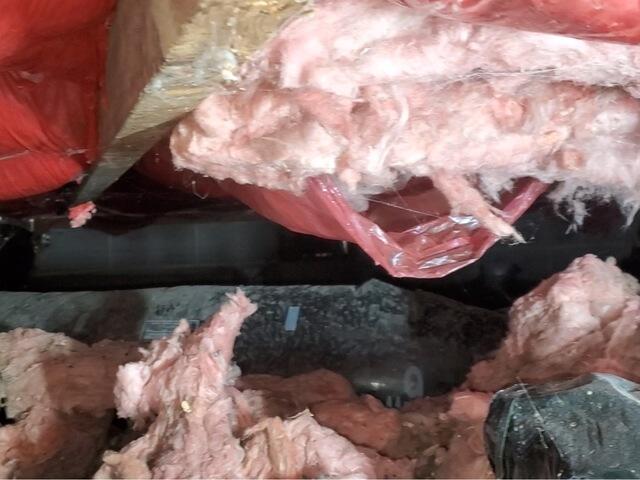
This crawlspace in Utica was contributing to poor home performance due to exposed dirt floors, high humidity, and failing fiberglass insulation. Open vents and unprotected surfaces allowed moisture and outside air to enter freely, leading to cold floors, drafts, and increased energy costs. The existing insulation had become ineffective and unsanitary, making it necessary to fully reset the space for a proper solution.
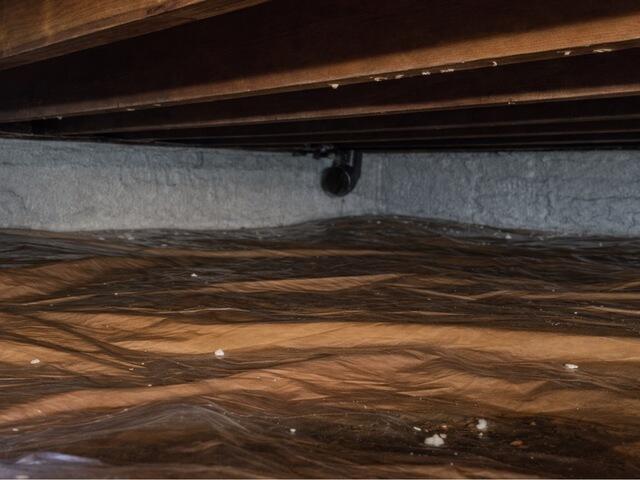
We began by removing all fiberglass insulation and clearing out debris, including cinderblocks, to prepare for encapsulation. The system installation started with drainage matting to create a moisture barrier and thermal break, followed by TerraBlock™ foam insulation across the floor. A heavy-duty CleanSpace™ liner was then installed and sealed across the floor and up the walls to lock out moisture and improve air quality. To complete the upgrade, we applied 2" of closed-cell spray foam along the crawlspace walls and rim joists, sealing vents and insulating key areas to stop air infiltration.
The result is a clean, dry, and energy-efficient crawlspace that helps reduce humidity, eliminate drafts, warm the floors above, and lower overall energy costs, creating a more comfortable and healthier home year-round.
This attic in New Hartford, NY was underperforming due to aging insulation, air leaks, and poor ventilation (common issues that lead to heat loss, drafts, and rising energy costs). We found unsealed penetrations, gaps around the attic hatch, and exposed rim joists allowing conditioned air to escape, along with airflow problems that can contribute to moisture buildup and winter issues like ice dams.
To address this, we completed a full attic upgrade starting with insulation removal using our CoolVac machine to expose all problem areas. We then performed comprehensive air sealing throughout the attic, including key areas like the living room closet, window, and hatch. Ventilation was improved by installing baffles and properly venting the bath fan and furnace intake to the exterior. We also added insulation damming around access points and sealed the rim joists using closed-cell spray foam to eliminate critical air infiltration.
The attic was finished with R49 blown-in cellulose insulation to ensure consistent, high-performance coverage. Using materials such as cellulose insulation, vent baffles, spray foam, caulk sealants, Schedule 40 PVC, a bath fan hard pipe and wall vent duct kit, and 1/2" plywood, the result is a tightly sealed, properly ventilated attic that enhances comfort, improves energy efficiency, and supports long-term home performance.
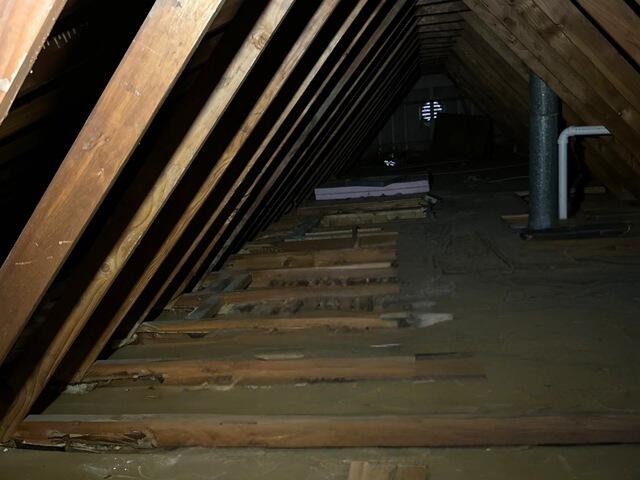
This attic was experiencing energy loss due to outdated fiberglass insulation, air leaks around fixtures and penetrations, and improper ventilation. These conditions often lead to drafts, inconsistent indoor temperatures, and increased heating and cooling costs, especially during extreme seasonal changes in Whitesboro, NY.
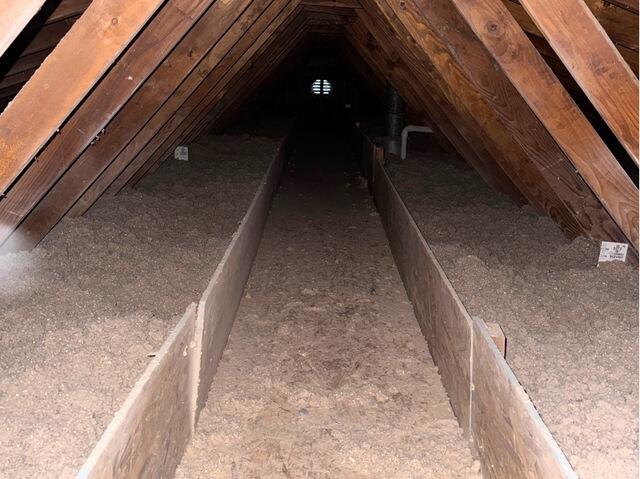
To resolve this, we removed all existing fiberglass insulation and used a professional process to fully air seal critical areas, including light fixtures, plumbing penetrations, and around the chimney. We improved airflow by installing proper ventilation and soffit air intake, then added insulation dams along the catwalk for protection and structure. The catwalk itself was upgraded with 4" rigid foam board and topped with OSB for durable, accessible storage, while the area beneath was dense-packed with cellulose for complete coverage. We also removed the whole home vent fan and attic hatch, along with the attic vent fan, and restored the space by patching, sanding, texturing, and painting the affected drywall areas.
The attic was finished with 14" of blown-in cellulose insulation to achieve an R49 rating, ensuring consistent thermal performance. Materials used included cellulose insulation, rigid foam board, OSB, air sealing foam and caulk, ventilation components, and insulation dams—resulting in a properly sealed, well-ventilated attic designed for improved comfort, efficiency, and long-term performance, with adjustments made to exclude insulation in the garage area.
This attic improvement project in Remsen, NY addressed critical energy efficiency and comfort concerns caused by air leakage, insufficient insulation, and inadequate attic ventilation. Openings around wiring penetrations, plumbing pipes, top plates, and the attic access hatch allowed conditioned air to escape into the attic, reducing the home's overall thermal performance and increasing energy consumption.
To correct these issues, a comprehensive air sealing process was completed using one-part spray foam to seal all accessible gaps and penetrations throughout the attic floor. TruSoft blown-in cellulose insulation was then installed to a settled depth of 16 inches, achieving an R-60 insulation value. Additional dense-pack cellulose insulation was installed within the roof rafter bays through the soffits to provide continuous thermal coverage, while a David Lewis insulated scuttle cover was added to minimize heat loss and air infiltration through the attic access opening.
The project was completed with the construction of an insulated catwalk and insulation dams to preserve attic accessibility while protecting insulation performance, along with the installation of a new gable vent to improve attic ventilation and moisture management. These upgrades work together to enhance energy efficiency, increase indoor comfort, and support the long-term performance of the home's building envelope.